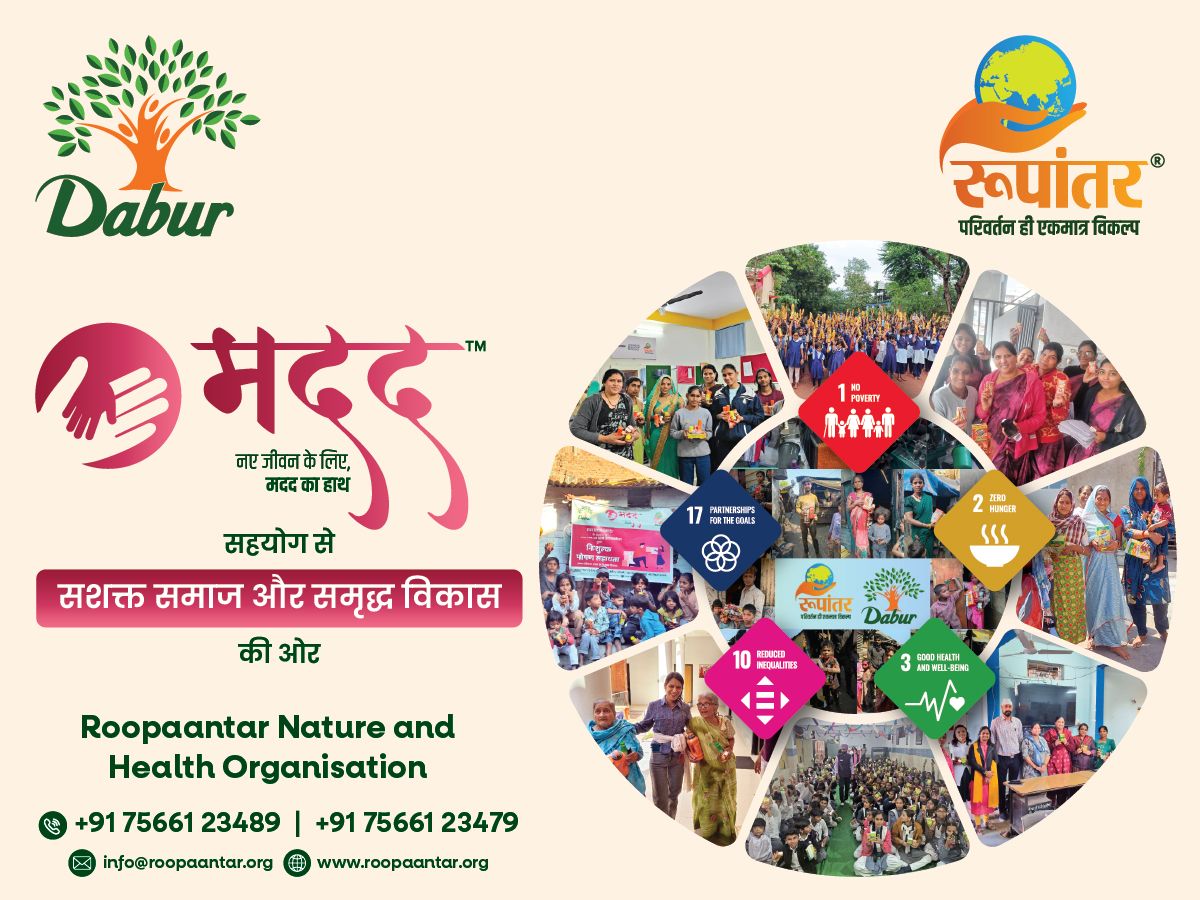
PROJECT MADAD: NUTRITIOUS KIT DISTRIBUTION
Project Brief
Project Madad delivers essential Nutritional and Wellness supplies to Marginalised and Resource‑Poor communities across Government Schools, Hostels, Ashrams, Model Residential Campuses, Aanganwadis and Panchayat Bhawans. Supplies include Isabgol, Honey, Glucose, Juices, Coconut Water, Balms, Shampoo, Oils, Soaps, and other daily‑use items. The intervention addresses immediate nutritional gaps, promotes basic hygiene, and supports preventive health to strengthen community wellbeing.
Objectives
- Provide nutritious supplies to targeted beneficiaries to reduce short‑term nutritional deficits.
- Improve hygiene and self‑care by supplying essential wellness products.
- Raise awareness on health and nutrition through brief on‑site sessions and simple IEC materials.
- Support institutional capacity at schools, anganwadis, and community centres for sustained practice.
- Ensure dignified, equitable reach to the most vulnerable and marginalised groups.
- Monitor outcomes via distribution records and short beneficiary feedback.
Linkage to SDGs
- SDG 2 Zero Hunger — improves access to nutrition for children and vulnerable adults.
- SDG 3 Good Health and Well‑being — promotes preventive care and stronger immunity.
- SDG 4 Quality Education — supports attendance and learning by improving child health.
- SDG 6 Clean Water and Sanitation — reinforces hygiene practices through supplies and messaging.
- SDG 10 Reduced Inequalities — targets underserved populations to narrow health disparities.
Impact
- Immediate nutritional relief for children and adults in targeted institutions.
- Reduced incidence of minor illnesses through improved hygiene and immunity.
- Better school attendance and concentration among beneficiaries.
- Enhanced community awareness on simple, cost‑effective nutrition and hygiene practices.
- Strengthened local delivery systems for ongoing health and nutrition support.